Global fashion moves as a conversation across borders. Designers borrow silhouettes, textures, and palettes from diverse traditions, reframing them for modern wear. The result is a careful balance of homage and innovation, tested on runways and in streets. Ethical collaboration keeps questions open: who benefits, who authors the narrative, and how are origins honored? The conversation lingers where consent and reciprocity meet creative risk, inviting scrutiny and continuous exploration beyond the next collection.
How Global Cultures Shape Modern Fashion
Global fashion now unfolds as a conversation among cultures, where designers draw on disparate traditions to reframe contemporary aesthetics. In this exchange, global designers track influences across borders, shaping silhouettes, textures, and palettes with deliberate awareness. The discourse includes cultural appropriation debates and fashion diplomacy, guiding ethical collaboration while expanding access, challenging stereotypes, and fostering inspiration that transcends localized norms. Freedom-driven experimentation meets responsible cross-cultural storytelling.
Heritage Techniques Reimagined in Runway and Streetwear
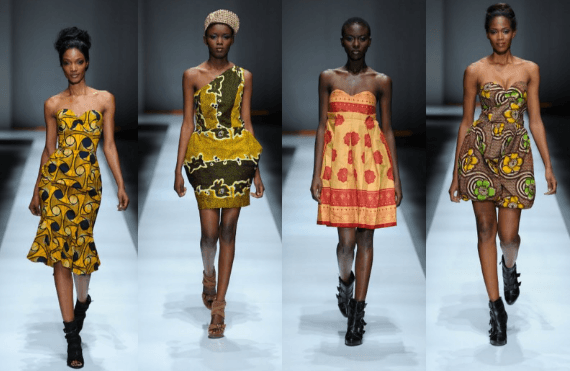
Heritage techniques are being reinterpreted on runways and in streetwear, turning centuries-old crafts into contemporary statements. The scene reveals deliberate dialogue between craft and novelty, inviting global viewers to trace a lineage through texture and form.
Designers pursue runway reinterpretations that honor origin while testing boundaries, weaving regional silhouettes into streetwear fusion with audacious clarity and universal curiosity.
Regional Silhouettes and Contemporary Wardrobe Staples
Regional silhouettes are shaping the modern wardrobe as designers extract distinctive lines from varied geographies and reframe them for everyday wear. The exploration blends heritage techniques with contemporary wardrobe staples, balancing runway and streetwear energy. Ethical collaboration informs production, while cultural exchange inspires silhouettes that feel purposeful, liberated, and globally aware, inviting personal freedom through thoughtful, curious, fashion-forward choices.
Ethical Dialogue: Respectful Collaboration and Cultural Exchange
Ethical dialogue in fashion centers on how brands engage with communities as equal partners, ensuring consent, transparency, and tangible benefits beyond superficial homage. Across continents, cultural collaboration unfolds through listening, reciprocity, and shared risk, inviting local artisans into decision-making. This respectful dialogue fosters trust, expands creative vocabulary, and sustains traditions while evolving styles, balancing autonomy with opportunity in a global marketplace.
See also: The Future of Space Travel
Frequently Asked Questions
How Can Sustainability Be Measured Across Cultural Fashion Collaborations?
The question notes measuring sustainability across cultural fashion collaborations by evaluating supply chain audits and fair wage metrics, then expanding to inclusive indicators, environmental footprints, and cultural respect, illustrating curiosity and global awareness within a freedom-seeking industry landscape.
What Role Do Local Artisans Play in Mass-Market Collections?
The role of local artisans in mass market collections involves traditional techniques sustaining cultural collaborations, while digital platforms enable cross-cultural critique. Sustainability measurement roams, addressing ethical resolution and misappropriation disputes amid affordable fashion and potential misalignment with ethical norms.
How Do Cultural Misappropriation Disputes Get Resolved Ethically?
Ethical resolution involves cultural consent, fair compensation, and transparent collaborations. The process seeks informed consent, equitable royalties, and shared decision-making, while goods trace provenance, prevent exploitation, and honor communities’ rights, fostering global awareness and creative freedom without coercive dynamics.
Are Traditional Techniques Adaptable to Affordable Mainstream Fashion?
Traditional techniques can be adapted to affordable fashion, offering value while preserving craft; culture critique guides ethical resolution, ensuring respectful collaboration and fair benefits. Curious, global-aware observers consider scalable models, transparency, and community-led partnerships for sustainable, freedom-minded outcomes.
How Do Evolving Digital Platforms Influence Cross-Cultural Design Critique?
Digital platforms enable cross cultural critique by hosting AI curation and global collaboration, shaping evolving aesthetics; they amplify voices, democratize feedback, and illuminate biases, inviting curious audiences to rethink fashion’s boundaries through inclusive, widely engaged discourse.
Conclusion
Global fashion continually folds world cultures into fresh narratives, turning heritage into contemporary language. An intriguing statistic notes that collaborations across continents grew 40% last decade, underscoring a reciprocal dialogue rather than appropriation. Designers increasingly foreground consent, community benefits, and transparent sourcing, weaving regional silhouettes into universal wardrobes. Runway and streetwear intersect as shared forums, where vintage techniques reappear with modern textures and palettes. The result is a curious, globally aware marketplace that honors origins while inviting universal experimentation and mutual respect.